Tech
Software engineering, web development, cool new tech, and anything else that tends to get developers excited.

“Heap, Heap, Array!”
How do you number SELECT query results using SQL?
Want to let number or rank your query results? Let your database do the hard work for you.

Drinking the Kubernetes Kool-Aid
Deploying apps on OpenShift: a stupid comparison between PHP, the Java Virtual Machine (JVM) and GraalVM
Spoiler alert: they’re not the same.

Living the Pipe Dream
How do you use htop in Linux?
The htop utility lets you view and manage running processes from a terminal. But how do you use it?

“Heap, Heap, Array!”
How to run PHPUnit tests in PhpStorm
A tutorial for people who keep forgetting how to run PHPUnit tests using PhpStorm.

“Heap, Heap, Array!”
How to fix MySQL Workbench 8 for Mac
MySQL Workbench 8 contains a bug that prevents it from starting on Macs. Don’t worry: it’s easy to fix!
“Heap, Heap, Array!”
Should you use Docker with WSL2 to develop large PHP apps on Windows?
Spoiler alert: no.

“Heap, Heap, Array!”
MDX: The good, the bad, and the ugly
If you have your own blog and like the simplicity of Markdown, but don’t want to give up JSX, you may want to give MDX a try.

“Heap, Heap, Array!”
Allonsay’s language classification algorithm
How you can detect the language of texts, without using the “ML” word.

Living the Pipe Dream
Join the ACM for the magazine, stay for the books
Why an ACM membership is totally worth the money, even if you’re not an academic.
One More Thing I (Don’t) Want to Buy
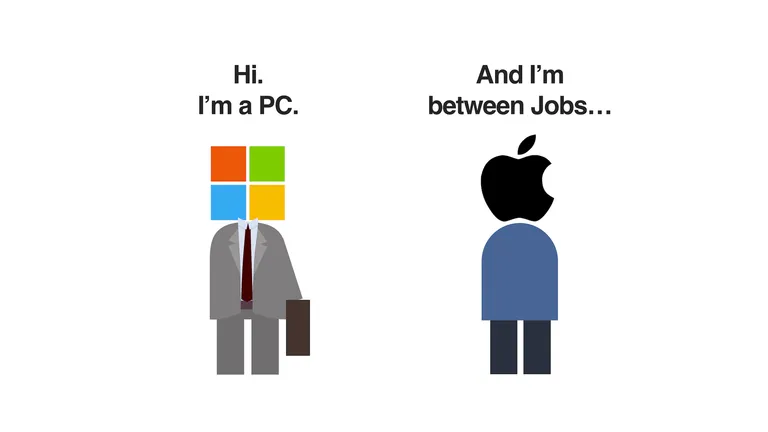
Has Apple lost its mind?
Most will agree that Apple still makes good products – but they are not as innovative as they used to be.

“Heap, Heap, Array!”
Finding the most common words in a set of texts for a word cloud
Alternatively: why word counting is nothing like bean counting.

“Heap, Heap, Array!”
(Not) looping over lists in PHP
This post discusses three common array functions: map, reduce, and filter.
“Heap, Heap, Array!”
Datetime formatting in Go
Go’s time package takes a novel approach to defining datetime serialisation formats. Is it an improvement over existing alternatives?